Learn tarot · Major Arcana · 22 cards
The Fool’s Journey
From a first step
to a new perspective.
Follow the Fool from a first step into the unknown to the World’s moment of completion. Explore all 22 Major Arcana cards as a connected story, with links to every full meaning.
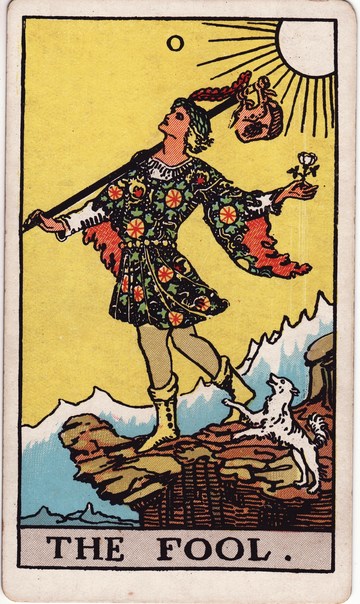
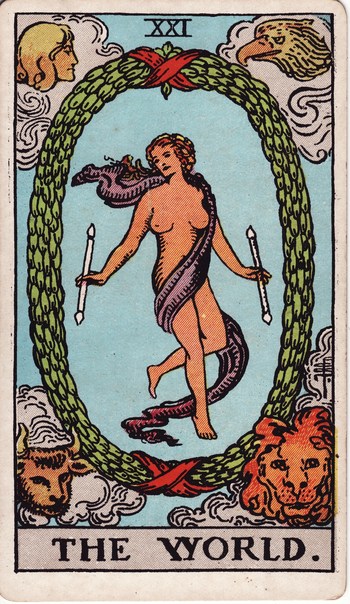
The cards as a connected story
At a Glance
The Fool’s Journey is a way to explore the Major Arcana as a story of learning through experience.
The Major Arcana contains 22 cards, from the Fool, numbered 0, to the World, numbered XXI. Read as a sequence, their themes can form a story about beginning, meeting challenges, changing perspective, and bringing experience together.
Think of this as a learning lens. You can return to any theme at any time, encounter several together, or understand the sequence differently. You do not need to locate yourself at a particular stage.
An overview before you explore
The Fool’s Journey Map
Four sections organize this guide. Follow them in order or begin with a theme that interests you.
Curiosity, resources, care, learning, and choices.
VIII–XIVPause & reconsiderSteadiness, reflection, change, responsibility, and transition.
XV–XXChange & renewAttachments, reassessment, hope, uncertainty, and a considered response.
XXI → 0Complete & begin againRecognize what has come together and carry your learning forward.
0–VII · The Fool to the Chariot
Begin and Discover
Imagine beginning something before you know exactly how it will unfold. The Fool gives that openness a face. The cards that follow bring resources, listening, care, structure, teaching, and choices into the story.
As a learning exercise, you could connect these themes with starting a project or entering an unfamiliar setting. You try something, discover what you can use, seek guidance, and decide which direction deserves your effort.
These cards can also raise questions about the world around you. Which expectations support your development? Which values do you want to choose for yourself? The Chariot gathers those questions into purposeful movement.
0 · Beginning
The Fool
Curiosity opens the journey. The Fool asks what you are ready to try and what would help you take a thoughtful first step.
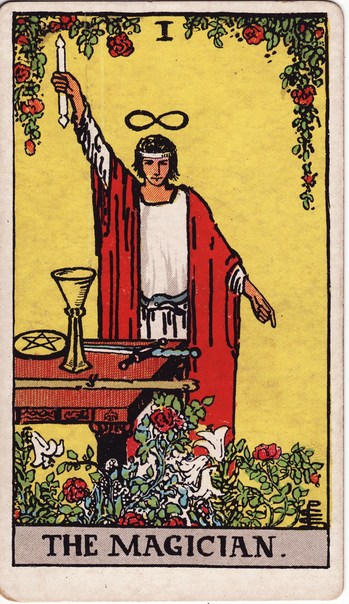
I · Intention
The Magician
You begin to notice the abilities and resources already available. The Magician asks how an intention can become a specific action.
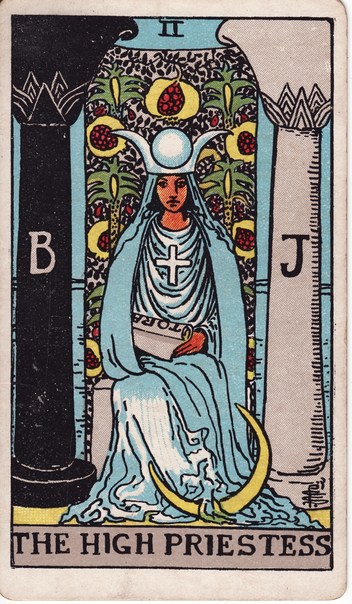
II · Attention
The High Priestess
Action is joined by listening. The High Priestess invites quiet attention to what you notice before deciding what it means.
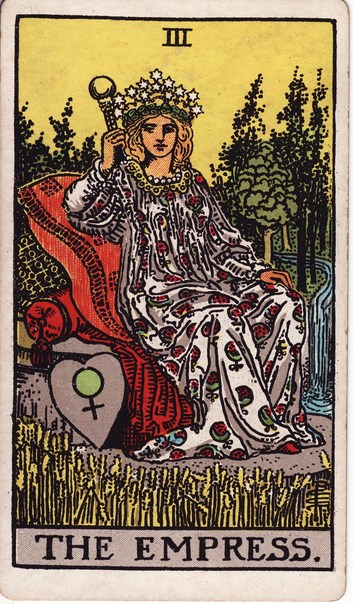
III · Care
The Empress
Something new needs conditions in which to grow. The Empress asks what care, creativity, or practical support would nourish it.
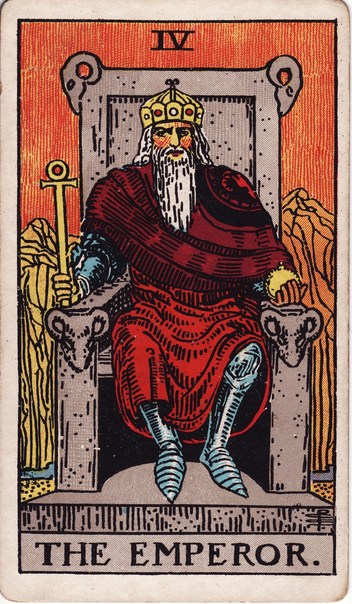
IV · Structure
The Emperor
Growth also needs dependable arrangements. The Emperor brings questions about boundaries, responsibilities, and the foundations you can rely on.
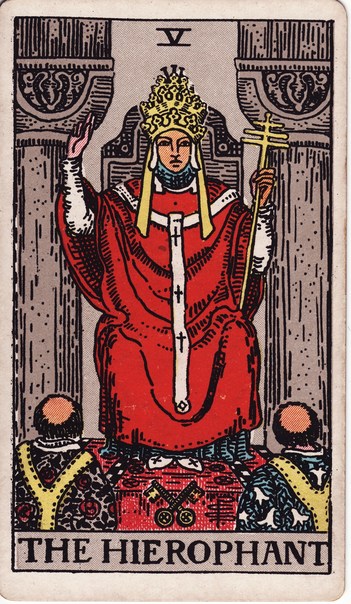
V · Learning
The Hierophant
You encounter teachers, traditions, and shared practices. The Hierophant asks what they offer and what you choose to carry forward.
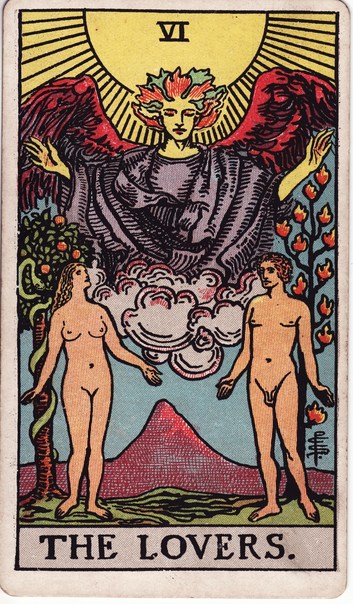
VI · Choice
The Lovers
A choice becomes clearer when you understand what matters. The Lovers invites honesty about values, connection, and commitments freely made.
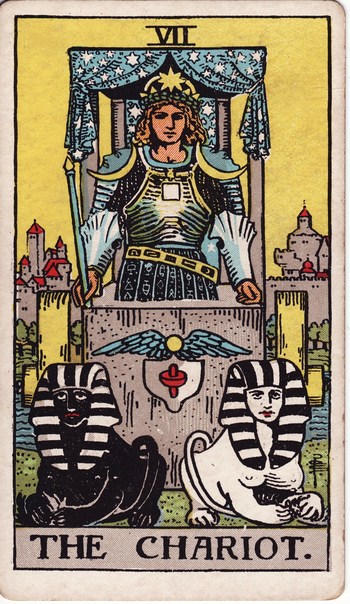
VII · Direction
The Chariot
Your choices begin to gather momentum. The Chariot asks how you will coordinate different needs and direct your effort toward a purpose.
A question to considerWhat am I learning to choose for myself?
VIII–XIV · Strength to Temperance
Pause and Reconsider
A chosen direction brings experiences you could not fully anticipate. Strength introduces patience alongside effort. The Hermit makes room for reflection, while Wheel of Fortune draws attention to circumstances and cycles you cannot entirely direct.
Justice asks how you take responsibility for your choices. The Hanged Man invites a pause when a familiar method no longer helps. Death brings attention to an ending, and Temperance asks how you can adjust to what has changed.
You might recognize these themes while revising a plan or learning from a difficult period. The useful thread is how experience changes your response: what you notice, what you accept, and which adjustment you can actually make.
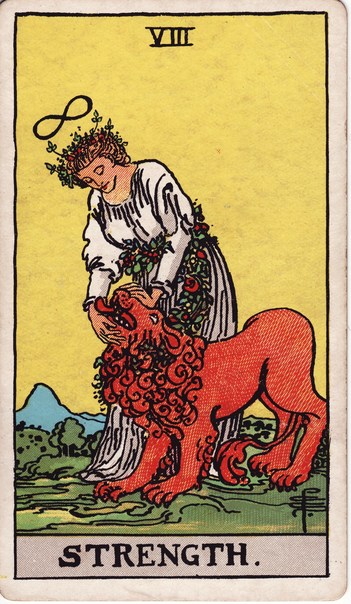
VIII · Steadiness
Strength
Effort meets resistance. Strength explores the patience, courage, and compassion that help you respond without relying on force.
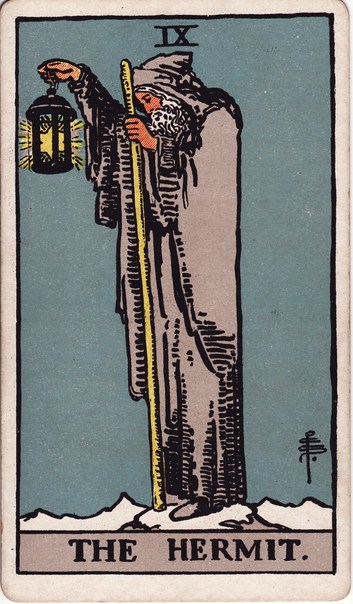
IX · Reflection
The Hermit
You step back to listen to your own experience. The Hermit asks what a period of focused reflection could help you understand.
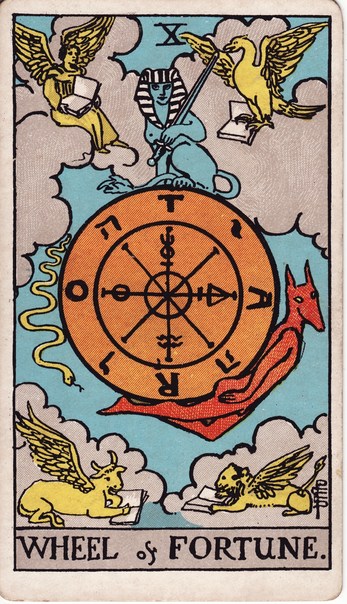
X · Change
Wheel of Fortune
Circumstances shift, including things beyond your influence. Wheel of Fortune asks how you can recognize a pattern and choose your response to change.
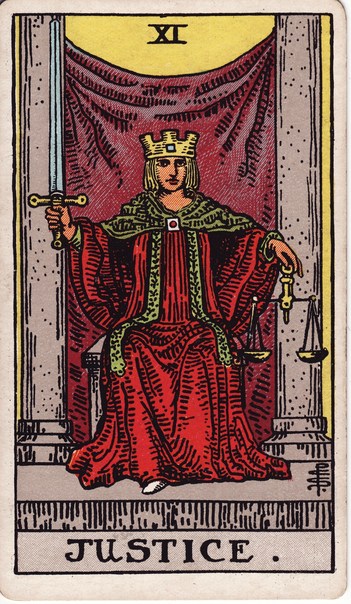
XI · Responsibility
Justice
Choices have effects. Justice asks you to look at the facts, consider different perspectives, and act with fairness and accountability.
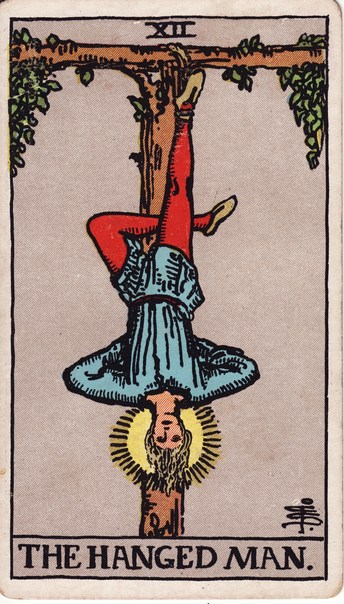
XII · Perspective
The Hanged Man
A familiar approach may need to pause. The Hanged Man invites another angle and a review of what you have been trying to control.
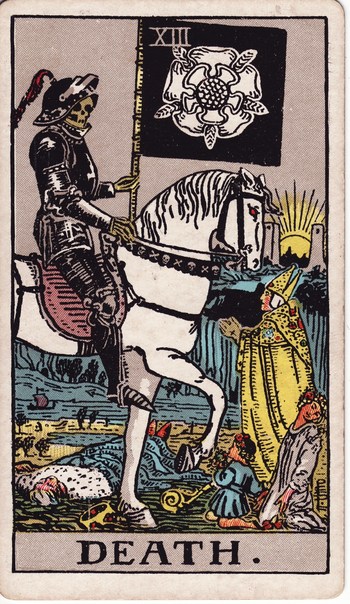
XIII · Transition
Death
A stage or pattern may be ending. Death asks what needs acknowledgment and what practical care could support the transition.
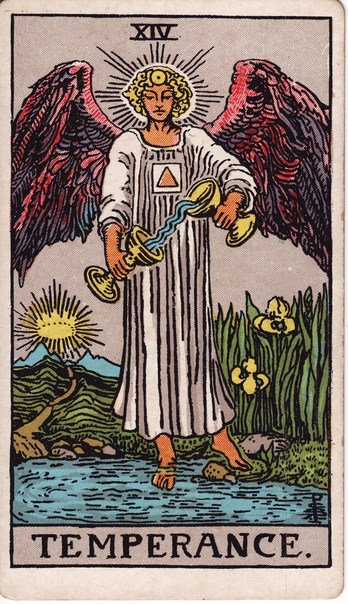
XIV · Integration
Temperance
You begin to work with what has changed. Temperance explores small adjustments that help different needs find a workable rhythm.
A question to considerWhat needs a different perspective or a more workable rhythm?
XV–XX · The Devil to Judgement
Change and Renew
The next part of the story looks closely at what holds you, what no longer fits, and what may become possible afterward. The Devil invites awareness of attachment and constraint. The Tower asks for reassessment when an assumption or arrangement no longer holds.
The Star makes room for hope, while the Moon leaves space for uncertainty and imagination. The Sun turns toward clarity and enjoyment. Judgement asks what you have learned and how you want to respond.
You can explore this sequence without expecting disruption or treating a difficult experience as something you were meant to endure. A card’s theme can help you ask about the support, information, or choice that matters in your actual situation.
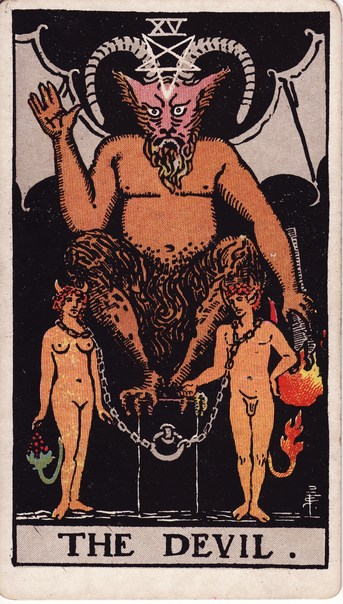
XV · Awareness
The Devil
You look more closely at attachment, habit, and constraint. The Devil asks what holds your attention and where a choice or source of support remains.
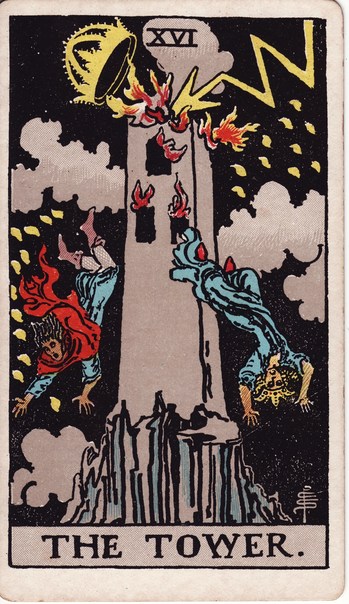
XVI · Reassessment
The Tower
An assumption or arrangement no longer holds. The Tower invites attention to what is real, what needs support, and what could be rebuilt with care.
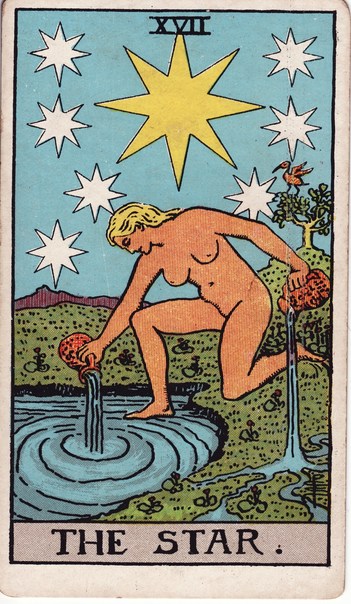
XVII · Renewal
The Star
Room for hope may return quietly. The Star asks which possibility, practice, or connection you would like to nurture.
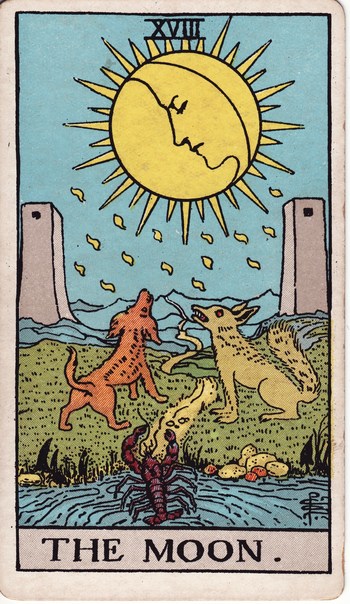
XVIII · Uncertainty
The Moon
You may still be finding your way. The Moon invites curiosity about feelings and impressions while distinguishing observation from an imagined explanation.
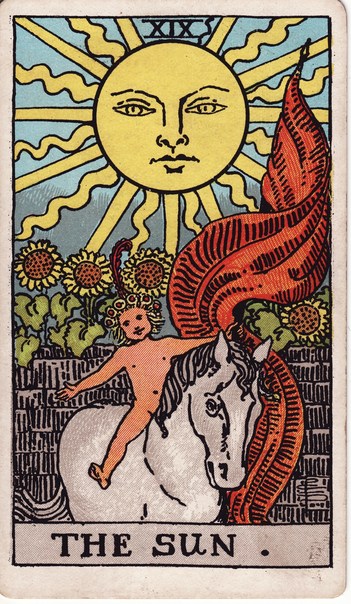
XIX · Recognition
The Sun
Something becomes easier to see or enjoy. The Sun asks what is working and how you can acknowledge the warmth, clarity, or energy it brings.
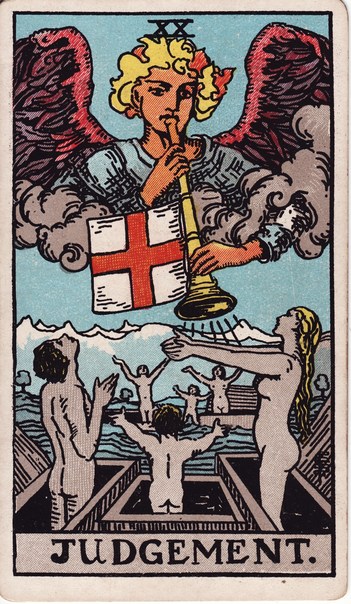
XX · Response
Judgement
Experience calls for an honest review. Judgement asks what you have learned and how that understanding can shape a deliberate response.
A question to considerWhat deserves an honest look, and what would help me respond with care?
XXI · The World
Complete and Begin Again
The World brings the story to a moment of integration. You can recognize a stage as complete and consider how its different experiences belong together.
Completion may include satisfaction, gratitude, sadness, or uncertainty about what follows. A finished project or changed role can deserve acknowledgment before the next task begins.
Returning to the Fool gives you another way to approach a beginning: with curiosity and the experience you now carry. The images can remain familiar while your questions about them change.
XXI · Completion
The World
You recognize what has come together. The World invites acknowledgment of a completed stage and the learning you want to carry into a new beginning.
A question to considerWhat is complete, and what do I want to carry forward?
Bring the story into a reading
Let the Journey Add Context
Begin with your question and the card’s position in the spread. Then use the journey to add a possible connection. The Hermit, for example, might invite reflection on what you have learned through the Chariot’s focused effort, or help you approach the changing circumstances of Wheel of Fortune.
Neighbors in the sequence can help you compare themes, but they do not tell you what event must happen next. Read the images alongside your observations and the situation you actually know.
You can also work with two cards without drawing them at random. Choose one that reflects a question you are exploring and another that offers a useful perspective. Read their full meanings, then write a connection between them in your journal.
Your turn
Try the Journey in Your Journal
Choose one Major Arcana card that connects with a current experience. Place the cards immediately before and after it beside it, then complete these three sentences in your journal. At either end of the sequence, let the Fool and the World connect.
- The theme I recognize in my chosen card is…
- A neighboring card offers another perspective by asking…
- One small step I want to explore is…
Return to your journal after trying the step. What did you notice? Which interpretation helped, and what would you now ask differently?
You can revisit a familiar card with a new question—and find another way to understand the journey.